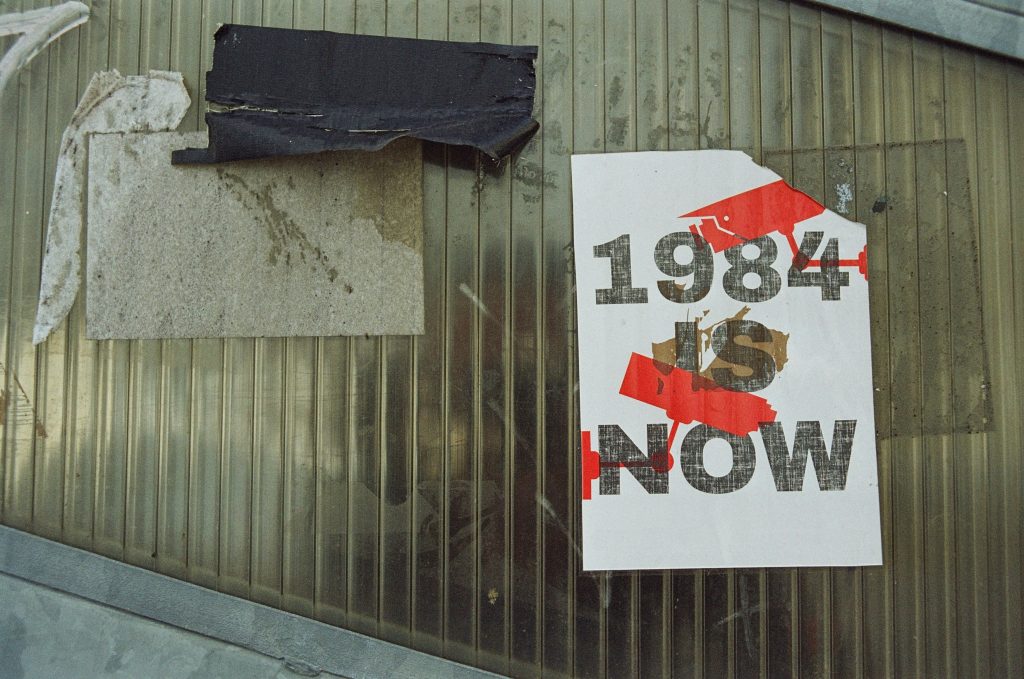
Good Luck, Have Fun, Don’t Die is a comedy sci-fi film, which warns about the dangers of superintelligence to humankind. As such, this film also falls within the Arin-fi (artificial intelligence fiction), and ty-fi (technology fiction) categories.
Please note that the following review contains spoilers.
About Good Luck, Have Fun, Don’t Die
This film is set in the present, but features a time traveller who comes back to warn of the dystopian world created by superintelligence, which was developed without any safeguards.
The time traveller played by Sam Rockwell has attempted to save humanity over and over again, and this is his 117th attempt. He arrives at the same diner in Los Angeles and has to recruit the correct combination of people to help him save the world. This time he tries a brand-new combination and it proves to be more promising.
He’s been told that the superintelligence is being developed by a nine-year-old boy. The best scientists and engineers have given the time traveller a memory stick containing the safeguards needed to make superintelligence safe. His goal is to insert these safeguards into the superintelligence to make sure it won’t destroy humanity.
So begins their adventure in this quirky movie.
Good Luck, Have Fun, Don’t Die and arin-fi/ty-fi
This movie is a prime example of arin-fi and ty-fi given that it specifically deals with superintelligence that upends humanity. As the time traveller says, the safety protocols were invented 50 years after superintelligence, but should have been created before superintelligence was ever built. Due to the fact that no safeguards were built in to superintelligence, 50% of the population is wiped out, whilst the remaining population is so wrapped up in tech that they aren’t living in the same reality anymore.
This is an extremely topical film, given that a growing number of AI experts are warning that superintelligent AI could lead to human extinction. The warnings are from AI safety researchers, AI developers, tech company CEOs, as well as a Nobel prize-winning founder of the field.
The latter of whom is Geoffrey Hinton, who has publicly stated there’s up to a 20% chance of AI leading to human extinction. However, according to Eliezer Yudkowsky and Nate Soares in their book, If Anyone Builds It, Everyone Dies: The Case Against Superintelligent AI, they say that Hinton believes the odds of superintelligent AI wiping out humanity are probably over 50%, but that he refrains from giving this figure publicly.
So, the premise of this movie is sound given the warnings from AI experts. But there’s a likelihood of an even worse outcome with humanity being completely annihilated, which many believe is the most likely scenario.
Another theme that the film gets spot on is how obsessed everyone is with their phones. In the film this is taken to an extreme degree with teenagers deprived of social media/phone access hunting their teachers who are responsible for preventing access. A solid reason if there ever was one for implementing social media bans for children around the world. The impacts of social media are also discussed including the fact that it’s led to self-harm amongst younger generations. It was also quite disconcerting seeing entire classrooms of children swiping mindlessly through social media videos and parroting adverts. When asked to read a book, one student gets the audiobook through her phone, while another brings up the movie adaptation on his phone. It shows how pervasive phones already are in our lives. The discomfiting part of all this is how our reality mirrors this dystopian hell-hole of a world.
The film also addresses a major issue in the US – school shootings. In the movie, parents who lose their child in a school shooting are invited to get a tech clone of their child which they can program with any attributes. It’s quite unsettling, because it reminds me of how numerous people in the tech industry want to merge humans with technology, and I fear this can only lead to terrible outcomes. It’s also a reminder of how some people are using AI in real life to create a version of a loved one they’ve lost – the consequences of such behaviour are not fully understood.
Conclusion
“You know the world is going to shit, and someone’s got to step in and do something about it.”
I think it’s deeply concerning that the themes in this dystopian sci-fi movie already mirror what’s going on in reality. Experts are pleading for regulation on AI and for a ban on superintelligent AI, and politicians and governments are ignoring them. The idea of AI leading to human extinction is no longer just a sci-fi trope, but a very real and very near possibility based on expert warnings.
Meanwhile the film shows how technology is already taking over our lives, and one can’t help but imagine that we’re on a race to the bottom at this point. I believe that until such time as AI is regulated, and until it’s rebuilt with safety factored in, and until such time as the environmental impacts have been fully understood and eradicated, that we have a collective responsibility to avoid using AI. It isn’t asking too much given that we managed just fine until about two or three years ago, and that humanity has lived without AI for 300,000 years.
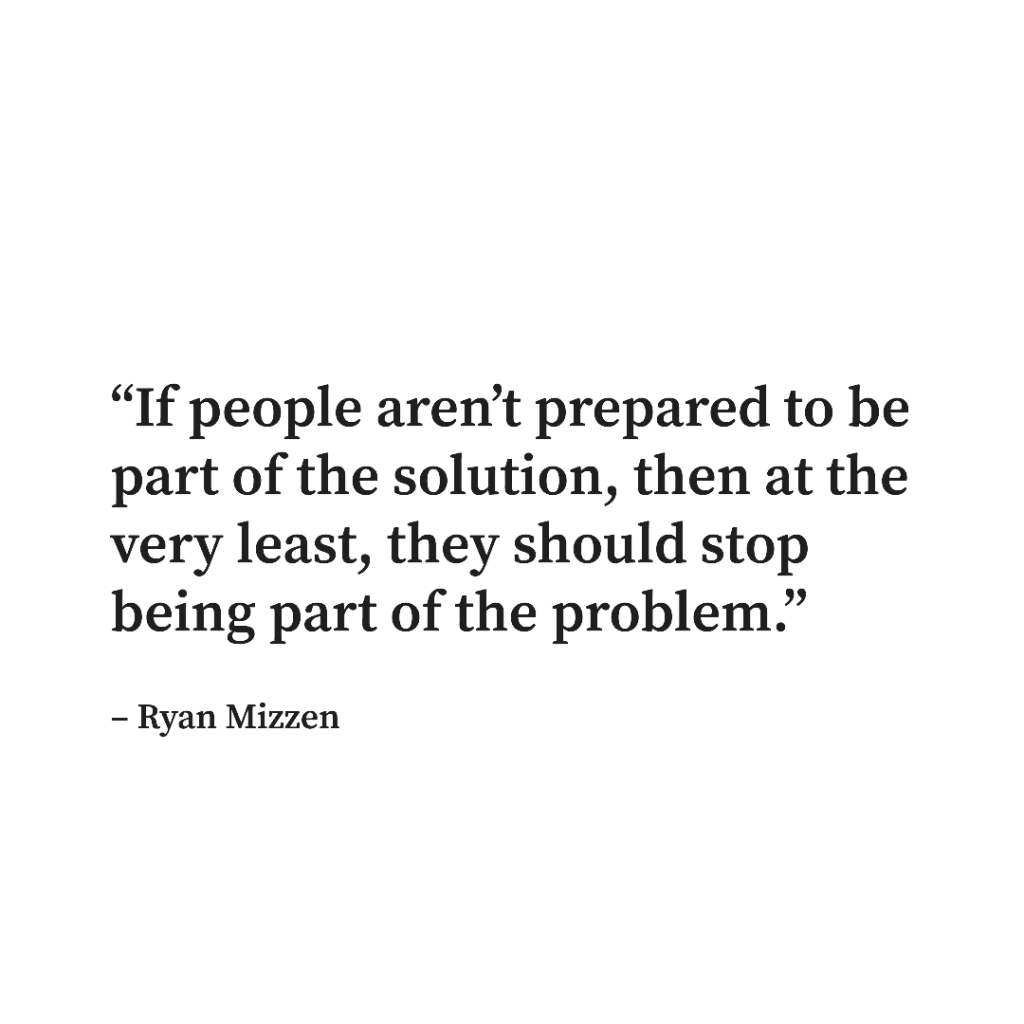
Our future is deeply imperilled by the AI crisis, the climate emergency, and a host of other existential issues that make up the polycrisis. We have a closing window of opportunity to avoid catastrophe. I hope that films like this, will help spur more people to action – for our collective future depends on it.
I’ve been writing about the climate emergency since 2016, and the AI crisis since 2023. I write all my own work, without the use of AI. I don’t publish on any other paid platforms, and my blog remains completely free to read. If you’ve found my writing informative and if you’d like to support my work, I’d be really grateful if you did so here. Thank you.
My cli-fi children’s picture book, Nanook and the Melting Arctic is available from Amazon, including Amazon UK and Amazon US. My eco-fiction children’s picture book, Hedgey-A and the Honey Bees about how pesticides affect bees, is available on Amazon’s global stores including Amazon UK and Amazon US.