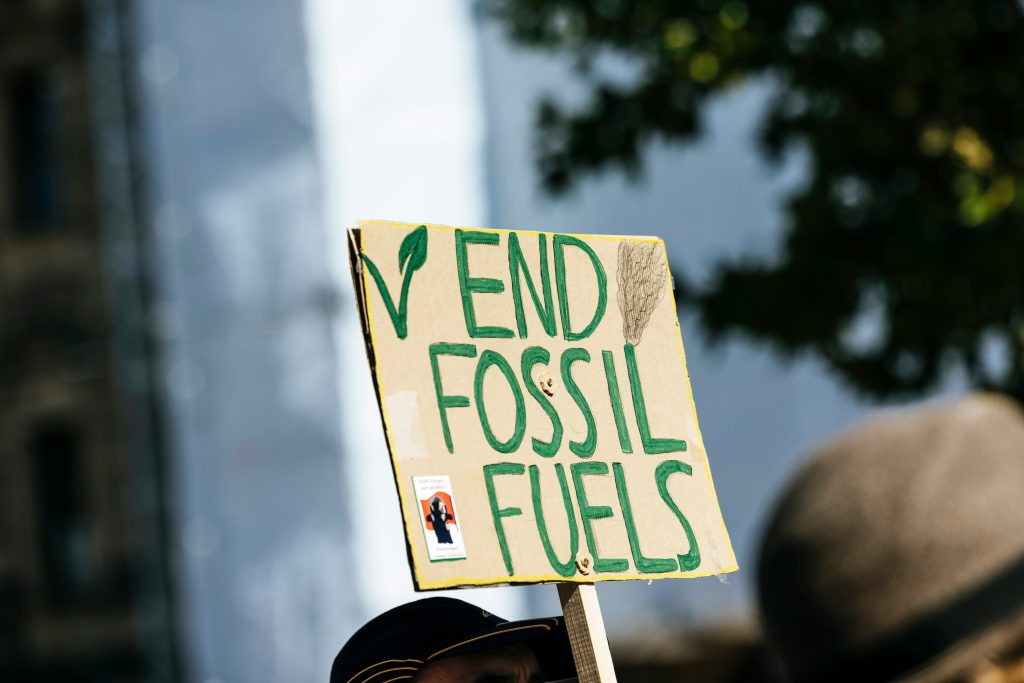
At the COP28 climate conference, it was agreed that the world needed to “transition away” from fossil fuels. At the next two COP conferences, this topic wasn’t broached and that’s a big problem given that we need to transition away from fossil fuels if we wish to maintain a liveable future.
80 countries became so frustrated at COP30 that they grouped together to call for a fossil fuel phaseout roadmap. As a result, the COP30 presidency pledged that an “informal” roadmap would be drawn up based on what happened at the Santa Marta conference. This new conference is outside the official UNFCCC process, but will complement the COP summits and hopefully spur countries to act faster to halt climate breakdown.
The Santa Marta conference was planned well before COP30. The road began back in December 2024 during a Ministerial meeting, where some countries called for “a series of dedicated conferences” to speed up a move away from fossil fuels. Columbia offered to host the first of these conferences (with the Netherlands as a co-host) in Santa Marta, and this took place from the 24th to the 29th April 2026.
The Santa Marta Conference
Writing in the Guardian, Fiona Harvey and Jonathan Watts say that the conference brought together a “coalition of the willing” (a total of 57 countries), which represent almost one third of energy demand, one fifth of fossil fuel supply, and over half of global GDP. They’ve each been tasked with developing a roadmap for how they will move away from producing and using fossil fuels.
There was a bit of controversy around the “coalition of the willing,” because as Carbon Brief reports, the event organisers tried to invite countries which they believed would be receptive to a fossil fuel phaseout, and avoided inviting countries that block climate action. The small controversy surrounds the fact that some countries were invited which didn’t back the Belém fossil fuel roadmap (so supposedly they’re not behind a phaseout), and other countries weren’t invited despite denying they’re holding up climate action. I think there’s logic not inviting countries which haven’t supported urgent climate action – especially for this inaugural event. The last thing you’d want is for the coalition of the willing to be compromised at their first conference.
This event was historic because, as Michael Poland writes in the Fossil Fuel Non-Proliferation Treaty newsletter, it “was the biggest, deepest and clearest discussion of fossil fuel supply ever.” So what were the outcomes of this conference?
According to a press release the coalition called for “a new international instrument on fossil fuels — one that would establish binding supply-side obligations, close major governance gaps left by existing frameworks, and create the financial and legal architecture necessary for a globally just transition away from coal, oil, and gas,” during a Ministerial meeting. The conference also touched on debt and trade.
Other outcomes included the creation of a dedicated scientific panel, and the production of a comprehensive conference report which incorporates “thousands of written submissions, dozens of virtual dialogues, and numerous in-person sectoral consultations.”
To ensure momentum continues, it was confirmed that Tuvalu and Ireland will co-host the second conference in 2027.
France also used this platform to make some big announcements as part of their national roadmap, stating their intention to end coal use before 2030, oil use before 2045, as well as gas use before 2050.
This was a largely positive event given that it brought together countries who we aligned on the idea of phasing out fossil fuels and tackling the climate emergency. The great work of the Fossil Fuel Non-Proliferation Treaty should be acknowledged as they’ve made big strides which ultimately helped lead to this conference.
A potential concern is that countries haven’t committed to any deadlines for transitioning away from fossil fuels. The worry being that nothing new will be achieved through this process (compared to the COP summits). Expanding on this, if these countries really wanted to make the transition they could just do it – they don’t necessarily need to attend another annual conference to talk about it.
I hope that countries will take this new process seriously and adhere to the targets that are being discussed. A good test of this will be to see how much progress is made before next year’s conference in Tuvalu, and also how outcomes from Santa Marta feed into the next COP summit.
Time, whilst certainly not on our side, will certainly be the judge of this new process.
I’ve been writing about the climate emergency since 2016, and the AI crisis since 2023. I write all my own work, without the use of AI. I don’t publish on any other paid platforms, and my blog remains completely free to read. If you’ve found my writing informative and if you’d like to support my work, I’d be really grateful if you did so here. Thank you.
My cli-fi children’s picture book, Nanook and the Melting Arctic is available from Amazon, including Amazon UK and Amazon US. My eco-fiction children’s picture book, Hedgey-A and the Honey Bees about how pesticides affect bees, is available on Amazon’s global stores including Amazon UK and Amazon US.